



The music world has lost one of its most unforgettable voices. Legendary soul and blues singer Clarence Carter has died at the age of 90, ending a remarkable career that lasted more than six decades.
Known for timeless songs like “Slip Away,” “Patches,” “Back Door Santa,” and “Strokin’,” Carter became one of the defining voices of Southern soul music. His deep baritone voice, emotional storytelling, humor-filled performances, and fearless personality made him stand out in an era filled with legendary singers.
Even after losing his eyesight as a child, Clarence Carter built a career that inspired generations of musicians and fans around the world. From humble beginnings in Alabama to becoming a Grammy-winning music icon, his story remains one of resilience, talent, and determination.
Clarence Carter’s Death News
Clarence Carter reportedly died in May 2026 at the age of 90. Tributes from musicians, studios, and longtime fans quickly poured in after news of his passing became public.
People close to the singer revealed that Carter had been facing serious health issues in recent months. Reports connected his death to complications involving pneumonia, while some also mentioned a battle with advanced prostate cancer and sepsis.
The legendary singer spent his final years surrounded by family and close friends while continuing to remain connected to music and fans who admired his work for decades.
His death marks the end of an important chapter in American soul and blues history.
Clarence Carter Profile
| Details | Information |
|---|---|
| Full Name | Clarence George Carter |
| Date of Birth | January 14, 1936 |
| Age at Death | 90 |
| Birthplace | Montgomery, Alabama |
| Profession | Singer, Songwriter, Guitarist |
| Genres | Soul, Blues, R&B |
| Famous Songs | “Patches,” “Slip Away,” “Strokin’,” “Back Door Santa” |
| Ex-Wife | Candi Staton |
| Children | Clarence Carter Jr. |
| Net Worth Estimate | Around $10 million |
| Active Years | 1960s–2020s |
Also See : Belmont Cameli Girlfriend, Career, Net Worth, Off Campus Fame & Personal Life
Clarence Carter’s Early Life and Blindness
Clarence Carter was born in Montgomery, Alabama, into a poor farming family. His childhood was filled with financial struggles, but music became his escape from hardship at a very young age.
Carter lost his eyesight around the age of one. Despite this life-changing challenge, he never allowed blindness to stop him from chasing success.
As a child, he taught himself guitar and later studied music formally. He attended the Alabama School for the Blind before earning a music degree from Alabama State College.
People who worked with Carter throughout his life often described his hearing and musical instincts as extraordinary. Even inside recording studios, he was known for understanding sound levels, arrangements, and performances with incredible precision.
How Clarence Carter Started His Music Career
Clarence Carter first entered the music industry alongside fellow blind musician Calvin Scott. The pair performed together as Clarence & Calvin before later becoming known as The C & C Boys.
The duo released several songs during the early 1960s but struggled to find major commercial success.
Everything changed after Calvin Scott suffered serious injuries in a car accident, forcing Carter to continue alone as a solo artist.
That turning point ultimately changed Southern soul music forever.
Carter joined the famous FAME Studios in Muscle Shoals, Alabama, where he worked with legendary producer Rick Hall and the iconic studio musicians known as the FAME Gang.
Those recording sessions helped create some of the most important soul records of the late 1960s and early 1970s.
The Rise of Clarence Carter’s Biggest Hits
Clarence Carter’s breakthrough came in 1968 with “Slip Away,” a soulful and emotional song that became a massive crossover hit.
The song reached the Top 10 on the pop charts and turned Carter into a national star.
Soon after, he delivered more successful tracks including:
- “Too Weak To Fight”
- “Snatching It Back”
- “Tell Daddy”
- “Back Door Santa”
His music mixed blues, gospel, country, soul, and humor in a way that few artists could match.
What made Carter unique was his ability to move from heartbreak to comedy within the same performance. One moment he could sing about pain and family struggles, and the next he could make audiences laugh with playful adult humor.
Why “Patches” Became Clarence Carter’s Signature Song
Although Clarence Carter had many famous songs, “Patches” became the defining track of his career.
Released in 1970, the song told the heartbreaking story of a poor young boy forced to take responsibility for his family after his father’s death.
Carter reportedly hesitated to record the song at first because he worried it reinforced stereotypes about Southern poverty. But producer Rick Hall convinced him that his own life experiences gave him the authenticity needed to perform it properly.
That decision changed everything.
Carter’s emotional delivery turned “Patches” into one of the most memorable soul songs of its era. The song reached No. 4 on the Billboard Hot 100 and sold more than one million copies.
It also earned him a Grammy Award for Best R&B Song.
Even decades later, “Patches” remained one of the most respected storytelling songs in soul music history.
Also See : Sienna Miller 2026: New Baby, Oli Green Relationship, Children, Career, Net Worth & Life Story
“Strokin’” and Clarence Carter’s Career Revival
During the 1980s, Clarence Carter experienced an unexpected comeback thanks to the release of “Strokin’.”
The song was bold, funny, controversial, and openly sexual. Many radio stations avoided playing it because of its explicit lyrics, but audiences loved it.
“Strokin’” became hugely popular in clubs, bars, and jukeboxes across America. Over time, it developed cult status and became one of Carter’s most recognizable songs.
The track later appeared in films and pop culture references, introducing Clarence Carter to younger generations of listeners.
Even fans who discovered him through “Strokin’” eventually went back to explore his earlier soul classics from the 1960s and 1970s.
Clarence Carter and Candi Staton’s Relationship
One of the most talked-about parts of Clarence Carter’s personal life was his relationship with singer Candi Staton.
The two met during the late 1960s while working around the Muscle Shoals music scene. Carter reportedly helped introduce Staton to important producers and played a major role in helping launch her solo career.
Their musical chemistry eventually became a romantic relationship.
Clarence Carter and Candi Staton married in 1970 and welcomed a son together named Clarence Carter Jr.
Although the marriage ended in divorce in 1973, the two remained respectful toward one another for years afterward.
Staton continued speaking warmly about Carter in later interviews and often praised his intelligence, musical brilliance, and support during the early years of her career.
Clarence Carter’s Other Marriages and Family Life
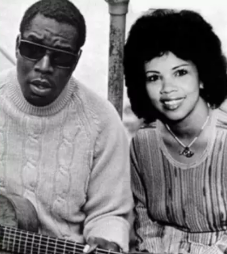
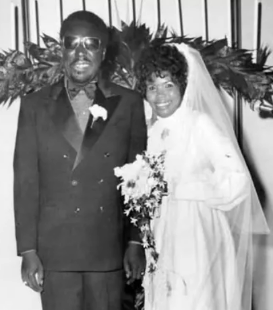
Clarence Carter was married multiple times throughout his life. He once joked publicly about his divorces, using humor to discuss his complicated romantic history.
Despite keeping much of his personal life private, people close to Carter often described him as deeply connected to family and longtime friends.
He is survived by his son, Clarence Carter Jr., and extended family members who remained close to him during his later years.
Clarence Carter Net Worth
At the time of his death, Clarence Carter’s estimated net worth was believed to be around $10 million.
His wealth came from several major sources connected to his long music career.
Main Sources of Clarence Carter’s Income
| Income Source | Details |
|---|---|
| Record Sales | Millions of records sold worldwide |
| Touring | Live concerts and blues festivals |
| Royalties | Streaming, radio play, licensing |
| Songwriting | Royalties from songs and compositions |
| Film Usage | Songs used in movies and television |
| Independent Label | Revenue from Cee Gee Entertainment |
Songs like “Slip Away,” “Patches,” and “Strokin’” continued generating royalties for decades.
“Back Door Santa” also gained new popularity after parts of the song were sampled in hip-hop music and holiday playlists.
Clarence Carter’s Influence on Music
Clarence Carter’s influence extended far beyond traditional soul music.
Many artists admired his spoken-word style, emotional storytelling, and fearless songwriting approach. Some music historians even considered him an early influence on rap because of the conversational style used in songs like “Patches.”
His music was sampled by hip-hop artists and appreciated by blues, R&B, funk, and soul audiences across generations.
Carter also helped shape the famous Muscle Shoals sound, a recording style that became one of the most important parts of American music history.
Why Clarence Carter’s Story Still Matters
Clarence Carter’s journey was about far more than chart success.
He overcame blindness, poverty, industry changes, and personal struggles while continuing to perform for more than sixty years.
Fans connected with him because his songs felt real. Whether he was singing about heartbreak, family pressure, cheating, humor, desire, or survival, his performances always carried honesty.
That authenticity became the foundation of his legacy.
For many listeners, Clarence Carter represented classic Southern soul at its purest — emotional, fearless, imperfect, funny, and deeply human.
Also See : India Fowler: Age, Boyfriend, Off Campus Role, Movies, Net Worth & Rising Hollywood Career
Clarence Carter’s Lasting Legacy
Clarence Carter leaves behind one of the richest and most unforgettable catalogs in soul and blues music history. From emotional songs like “Patches” and “Slip Away” to bold and playful tracks like “Strokin’” and “Back Door Santa,” he showed a rare ability to mix deep emotion, humor, storytelling, and raw Southern soul into one unique style. His powerful voice and honest performances helped define the golden era of Muscle Shoals music, placing him among the most respected soul singers of his generation.
Even after his death, Clarence Carter’s influence continues to live on through streaming platforms, films, holiday playlists, classic radio stations, and younger artists inspired by his music. Fans still connect with the pain, passion, humor, and authenticity that made his songs feel real. Clarence Carter may no longer be here, but the spirit of his music continues to echo across generations, proving that true soul music never fades away.