

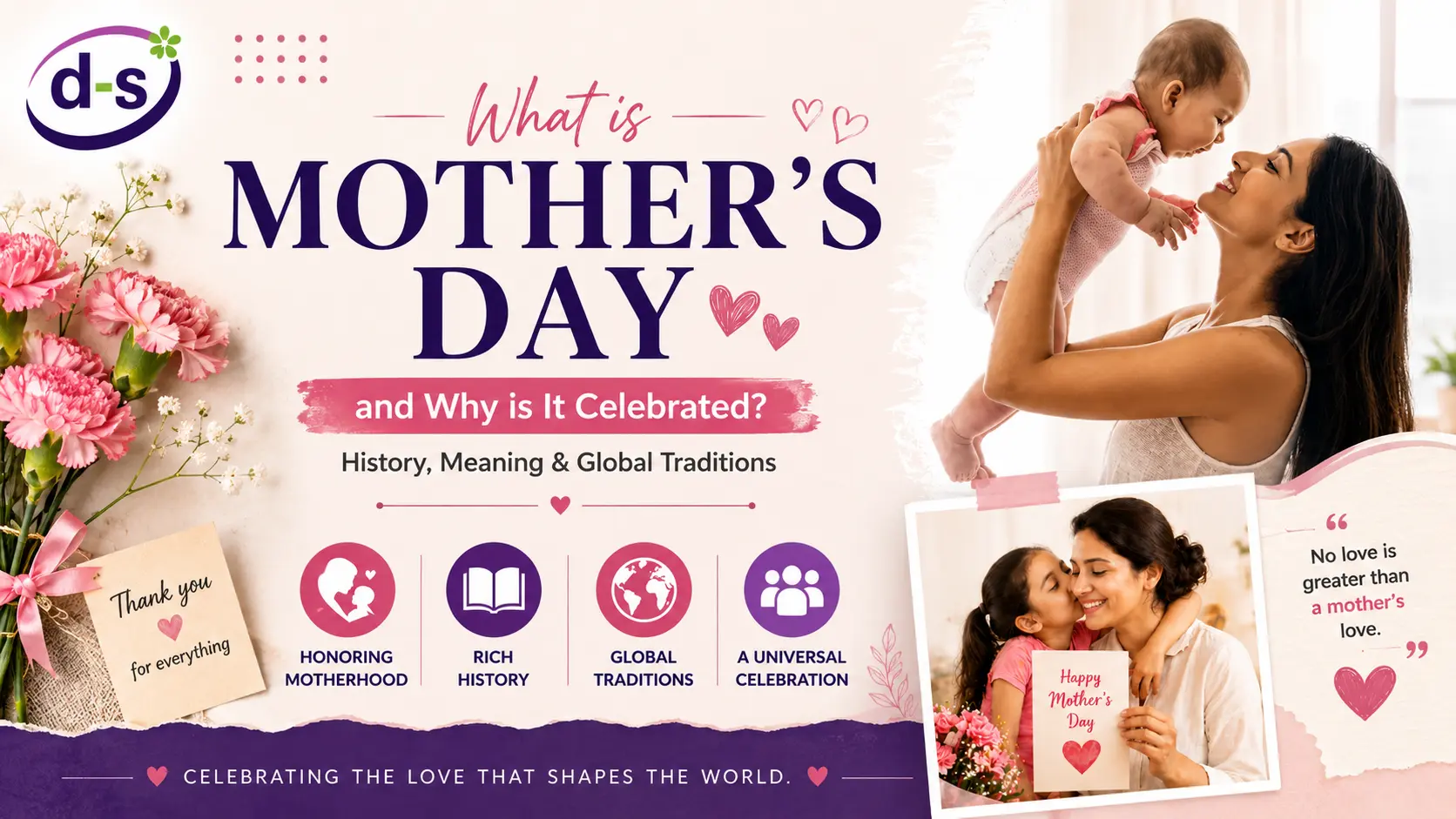
Mother’s Day is one of the most emotional and meaningful celebrations observed across the world. The day is dedicated to honoring mothers, motherhood, and maternal figures who play an important role in shaping families and society. From caring for children to supporting families through every stage of life, mothers are often seen as the emotional strength of a home.
Today, Mother’s Day is celebrated in more than 40 countries, although the dates and traditions vary from place to place. In many countries, people celebrate by giving flowers, greeting cards, gifts, chocolates, and spending quality time with their mothers. Some families also prepare special meals, organize gatherings, or simply take the day to express gratitude and love.
While Mother’s Day has become a popular modern celebration, its roots go back thousands of years through ancient traditions, religious customs, and social movements that focused on motherhood, peace, and family values.
What Is Mother’s Day?
Mother’s Day is a special occasion celebrated to recognize and appreciate mothers and mother figures for their love, care, sacrifice, and contribution to family life. The day is not limited only to biological mothers. People also honor grandmothers, adoptive mothers, stepmothers, guardians, and women who play a motherly role in their lives.
At its heart, Mother’s Day is about gratitude. It reminds people to thank mothers for the emotional support, guidance, and countless efforts they make every day. For many families, it is also a chance to reconnect and spend meaningful time together.
History and Origin of Mother’s Day
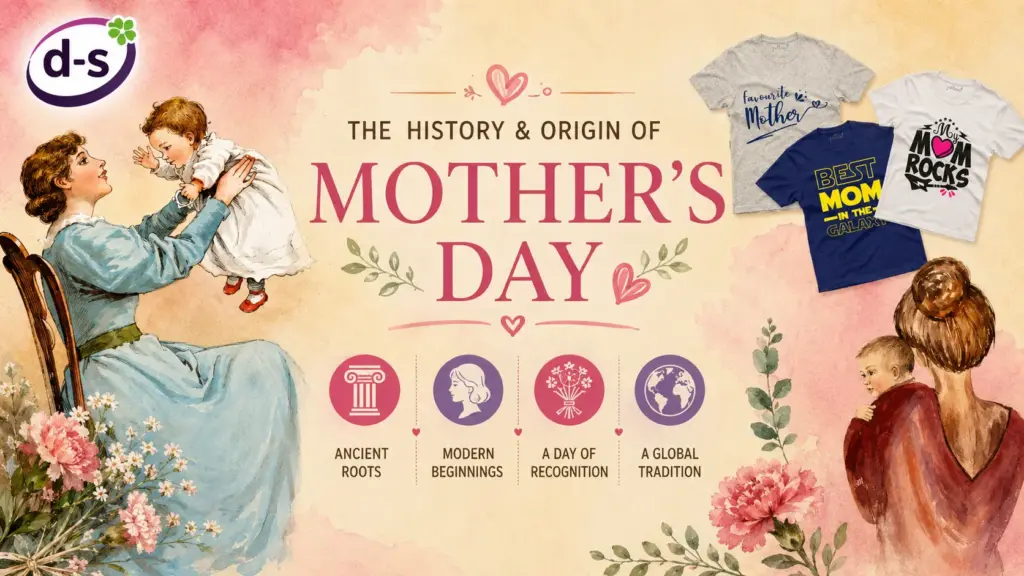
The idea of honoring mothers is much older than the modern holiday itself. Ancient civilizations such as the Greeks and Romans held festivals for mother goddesses like Rhea and Cybele. During these celebrations, people offered flowers, food, and gifts as a sign of respect and devotion.
Later, in Europe and especially in the United Kingdom, a Christian tradition known as “Mothering Sunday” became popular. This day was observed on the fourth Sunday of Lent and originally focused on visiting one’s “mother church.” Over time, the tradition slowly became connected with honoring mothers and spending time with family.
The modern version of Mother’s Day began in the United States during the early 20th century.
The Role of Ann Jarvis and Anna Jarvis
The modern Mother’s Day movement is closely linked to Ann Reeves Jarvis and her daughter Anna Jarvis.
Ann Jarvis was a social activist who worked to improve sanitation and healthcare conditions for mothers and children. During the American Civil War, she organized women’s groups that helped wounded soldiers from both sides of the conflict. She also promoted peace and unity after the war through community events known as “Mother’s Friendship Day.”
After Ann Jarvis passed away in 1905, her daughter Anna Jarvis wanted to create a special day to honor mothers and recognize their sacrifices. In 1908, she organized the first official Mother’s Day service in Grafton, West Virginia.
The celebration gained popularity quickly across the United States. By 1911, many states had started recognizing the holiday locally. Finally, in 1914, U.S. President Woodrow Wilson officially declared the second Sunday of May as Mother’s Day.
Julia Ward Howe and the Peace Movement
Another important figure connected to Mother’s Day history was Julia Ward Howe, a writer, women’s rights advocate, and peace activist.
In 1870, she issued a famous Mother’s Day Proclamation that encouraged women around the world to unite for peace after witnessing the destruction caused by war. She believed mothers had an important role in creating a more peaceful society.
Although her version of Mother’s Day focused mainly on peace activism, her efforts helped inspire future campaigns related to honoring motherhood.
Why Is Mother’s Day Celebrated?
Mother’s Day is celebrated for many emotional and social reasons. The occasion allows people to express appreciation for the dedication and sacrifices mothers make throughout life.
Main Reasons Why Mother’s Day Is Celebrated
| Reason | Explanation |
|---|---|
| To Honor Mothers | Recognizes the love, hard work, and sacrifices of mothers. |
| To Strengthen Family Bonds | Encourages families to spend quality time together. |
| To Show Gratitude | Gives children and families an opportunity to thank mothers. |
| To Recognize Maternal Figures | Celebrates grandmothers, stepmothers, adoptive mothers, and caregivers. |
| To Value Emotional Support | Acknowledges the guidance and emotional care mothers provide. |
For many people, the day is not about expensive gifts but about appreciation, love, and emotional connection.
When Is Mother’s Day Celebrated?
Mother’s Day is celebrated on different dates around the world. Many countries follow the second Sunday of May, while others connect the celebration with religious traditions, national history, or cultural events.
Mother’s Day Dates Around the World
| Country | Date or Occasion |
|---|---|
| United States | Second Sunday in May |
| India | Second Sunday in May |
| Canada | Second Sunday in May |
| Australia | Second Sunday in May |
| United Kingdom | Fourth Sunday in Lent |
| Mexico | 10 May |
| Brazil | Second Sunday in May |
| Thailand | 12 August |
| Japan | Second Sunday in May |
| France | Last Sunday in May |
| Ethiopia | During the Antrosht festival |
| Nepal | Mata Tirtha Aunsi festival |
Even though the dates differ, the meaning behind the celebration remains the same — honoring mothers and motherhood.
How Mother’s Day Is Celebrated Around the World
Different cultures celebrate Mother’s Day in unique ways, but love and appreciation remain at the center of every tradition.
United States and Canada

In the United States and Canada, families commonly celebrate with flowers, greeting cards, brunches, and gifts. Carnations became a symbol of Mother’s Day because Anna Jarvis used white carnations during the first official celebration.
Popular traditions include:
- Taking mothers out for lunch or dinner
- Giving flowers, chocolates, and personalized gifts
- Spending time together as a family
- Calling or visiting mothers who live far away
United Kingdom

In the UK, Mothering Sunday has older Christian roots. Families traditionally visited their “mother church” during Lent. Today, the occasion is celebrated similarly to Mother’s Day with flowers, cards, and family meals.
India
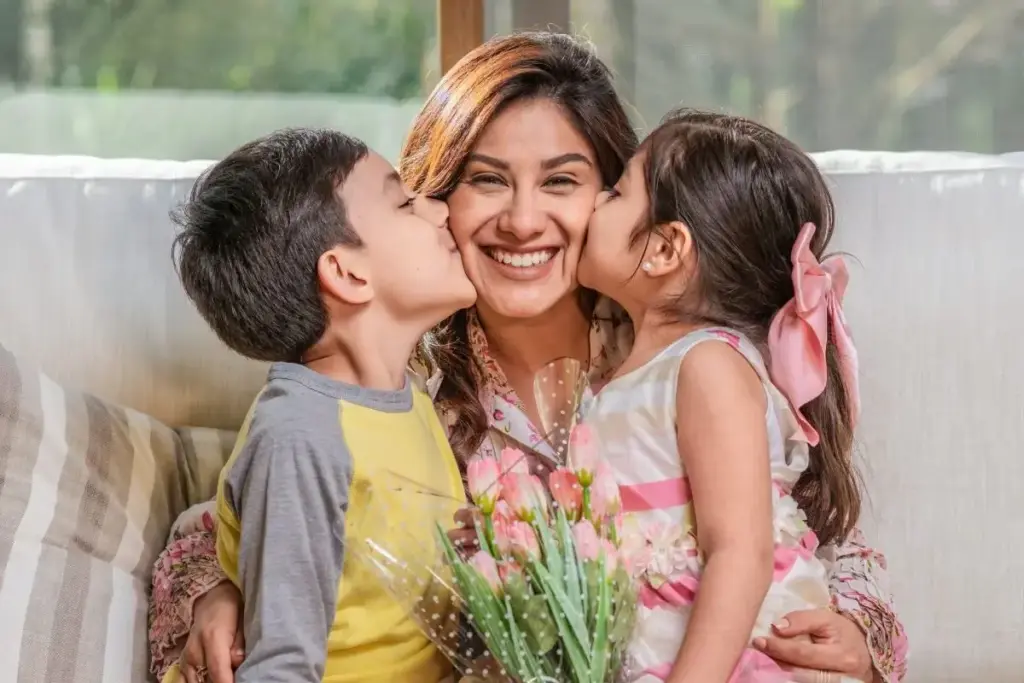
Mother’s Day has become increasingly popular in India, especially in urban areas. Children often give gifts, sweets, flowers, sarees, or handwritten notes to their mothers. Social media posts and family outings are also common.
Even though Indian culture traditionally values and respects mothers throughout the year, Mother’s Day gives younger generations a dedicated occasion to express their appreciation openly.
Japan
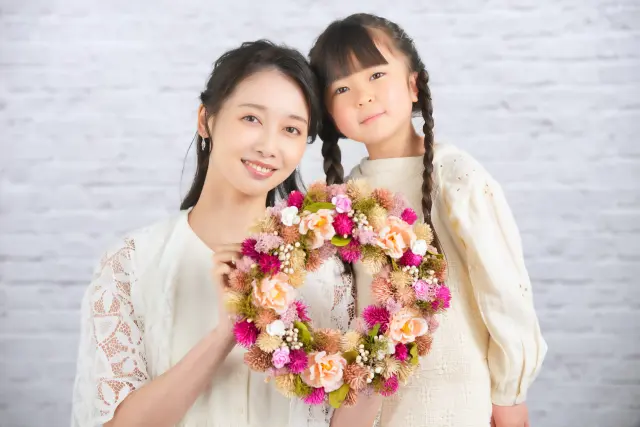
In Japan, Mother’s Day is celebrated with simplicity and warmth. Red carnations are commonly gifted because they symbolize love and endurance. Children often make handmade cards or drawings for their mothers.
Thailand

Thailand celebrates Mother’s Day on the birthday of Queen Sirikit, who is regarded as the “Mother of the Nation.” Children give white jasmine flowers to their mothers as a symbol of pure love and respect.
Ethiopia

In Ethiopia, families celebrate motherhood during the Antrosht festival after the rainy season ends. The celebration includes music, dancing, storytelling, and large family meals shared over several days.
Common Mother’s Day Traditions
Although customs vary worldwide, several traditions appear in many countries.
Flowers
Flowers remain one of the most popular Mother’s Day gifts. Carnations, roses, lilies, tulips, and jasmine are commonly associated with the celebration.
Greeting Cards and Messages
Handwritten notes, greeting cards, and heartfelt social media posts are popular ways to express gratitude.
Family Meals
Many families celebrate with breakfasts, brunches, lunches, or dinners together. Some children prepare homemade meals for their mothers.
Gifts
Jewelry, chocolates, clothing, personalized gifts, and spa items are commonly given on Mother’s Day.
Acts of Service
Some families choose to celebrate by helping mothers relax for the day by handling household chores or planning activities they enjoy.
Mother’s Day and Commercialization
Although Mother’s Day began as a heartfelt tribute, the celebration eventually became highly commercialized. Today, businesses often promote flowers, cards, jewelry, chocolates, and restaurant offers around the holiday.
Interestingly, Anna Jarvis herself became unhappy with how commercialized the occasion had become. She believed Mother’s Day should remain personal and emotional rather than focused on buying expensive gifts.
Even now, many people believe the true meaning of Mother’s Day lies in spending genuine time with mothers and expressing appreciation sincerely.
The Importance of Motherhood
Motherhood is often considered one of the strongest emotional bonds in human life. Mothers not only care for children physically but also guide them emotionally, mentally, and socially.
Studies and traditions across cultures continue to highlight the importance of maternal support in a child’s growth and well-being. Beyond biological relationships, mother figures such as grandmothers, foster mothers, guardians, teachers, and caregivers also shape lives through love and guidance.
Mother’s Day serves as a reminder that these contributions deserve recognition and appreciation.
Simple Ways to Make Mother’s Day Special
Celebrating Mother’s Day does not always require expensive gifts. Small gestures often carry the deepest meaning.
Here are a few simple ideas:
- Spend quality time together
- Cook your mother’s favorite meal
- Write a heartfelt letter or note
- Give flowers or handmade gifts
- Plan a family outing or movie night
- Help with household work so she can relax
The most meaningful celebrations are often the ones filled with care, effort, and genuine emotions.
Mother’s Day is much more than a yearly celebration. It is a reminder of the love, care, sacrifice, and emotional strength mothers bring into people’s lives every day.
From ancient traditions and peace movements to modern family gatherings and heartfelt gestures, the occasion has evolved across generations while keeping the same core message alive — honoring mothers and expressing gratitude for everything they do.
Whether celebrated with flowers, family meals, handmade gifts, or simple words of appreciation, Mother’s Day continues to hold deep emotional value for millions of people around the world.