

Education is often described as the path to independence and opportunity. For many women, schools and colleges have opened doors that were once closed. Yet even today, girls and young women face challenges inside educational institutions that affect their confidence, safety, participation and long-term career growth.
Some problems are visible and openly discussed. Others are subtle — hidden in attitudes, expectations and everyday interactions. Understanding these issues clearly is the first step toward building a more equal system.
Why This Topic Matters
Schools and colleges shape:
- Self-esteem
- Leadership ability
- Career choices
- Financial independence
- Social identity
If women face barriers during these formative years, the effects can continue for decades.
Like to know? Who Was Dale Spender? Life, Books, Ideas & Legacy
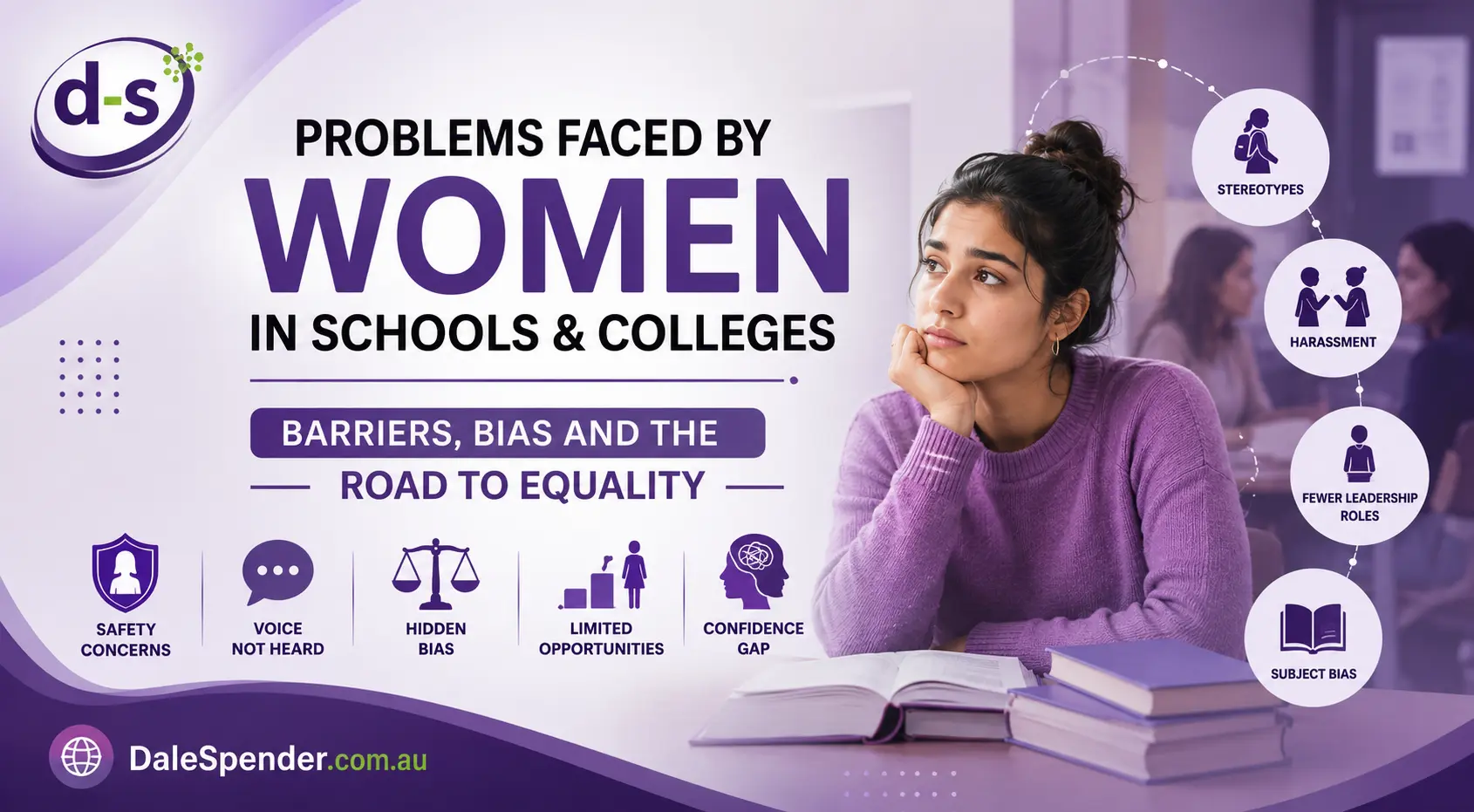
Overview of Major Challenges
| Area | Common Challenges Faced by Women |
|---|---|
| Classroom Participation | Speaking less, interrupted more |
| Subject Encouragement | Less push toward STEM fields |
| Safety & Harassment | Unsafe environments or fear of reporting |
| Leadership Opportunities | Fewer visible roles |
| Confidence Gap | Self-doubt despite high performance |
| Stereotypes | Labeled “too emotional” or “too quiet” |
Not every institution has the same problems, but these patterns appear frequently across educational settings.
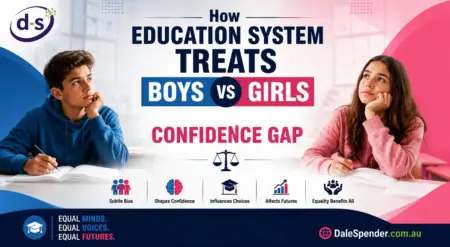
The Confidence Gap in Classrooms
Many girls perform well academically. In fact, grades often reflect strong discipline and preparation. However, performance and confidence do not always grow together.
Common Patterns
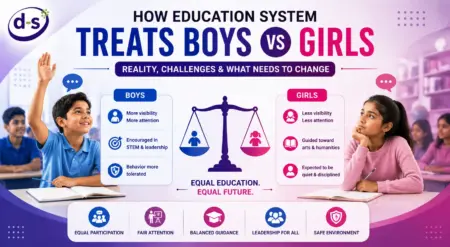
- Girls wait longer before answering questions
- They double-check responses before speaking
- They hesitate to challenge teachers openly
- They may underestimate their own abilities
Meanwhile, students who speak more frequently often gain more recognition and leadership visibility.
Participation Differences
| Behavior | Typical Social Reaction |
|---|---|
| Girl speaks assertively | May be called “bossy” |
| Girl challenges idea | Seen as argumentative |
| Girl quiet and calm | Praised as well-behaved |
Over time, these reactions shape how women express themselves.
Limited Encouragement in Certain Fields
Despite progress, subject bias still exists.
Women are often encouraged toward:
- Arts
- Literature
- Social sciences
- Teaching and care professions
They may receive less active encouragement in:
- Engineering
- Technology
- Advanced mathematics
- Certain sciences
This does not reflect ability. It reflects long-standing stereotypes about “suitable” roles.
Subject Influence
| Field | Social Expectation |
|---|---|
| STEM | Seen as male-dominated |
| Care fields | Seen as female-friendly |
| Leadership programs | Often male-led |
| Competitive debates | Male-dominated environments |
When encouragement differs, career paths differ.
Safety and Harassment Issues
Safety remains a serious concern in some schools and colleges.
Challenges include:
- Street harassment near campuses
- Unwanted comments
- Online harassment
- Fear of reporting incidents
- Lack of institutional support
Even when policies exist, women may hesitate to report problems due to fear of being blamed or not taken seriously.
A safe learning environment is essential for academic focus and personal growth.
Leadership and Representation Gaps
In many institutions:
- Student council leaders are often male
- Debate teams may be male-dominated
- Technical clubs may have fewer female members
When leadership visibility is unequal, young women may feel less encouraged to pursue public roles later in life.
Representation matters because students need role models who reflect their potential.
Language and Everyday Bias
Language in educational spaces can reinforce inequality.
Examples include:
- Teachers praising boys for intelligence but girls for neatness
- Calling on male students more frequently
- Assuming male students will handle technical tasks
Small comments accumulate and influence identity.
Read more: Dale Spender Gender Theory: Language, Power and the Politics of Meaning
Pressure of Perfection
Women often face additional pressure to:
- Maintain high grades
- Appear polite and cooperative
- Balance academic and social expectations
- Avoid being “too ambitious”
This constant pressure to meet multiple standards can increase stress and anxiety.
Emotional Labeling
When women express strong opinions or emotions, they may be labeled as:
- Overreacting
- Too sensitive
- Dramatic
Such labels discourage open participation and honest expression.
Psychological Impact
The cumulative effect of these experiences can include:
- Lower self-confidence
- Fear of public speaking
- Reduced willingness to negotiate
- Career hesitation
These are not personal weaknesses. They often develop from repeated social signals.
Signs of Progress
Many institutions are improving by:
- Creating gender-neutral participation policies
- Establishing harassment reporting systems
- Promoting women in STEM initiatives
- Offering mentorship programs
- Encouraging leadership training for women
Awareness has increased, but consistent action remains necessary.
What Can Be Improved
1. Equal Speaking Opportunities: Teachers can monitor discussion time to ensure balanced participation.
2. Safe Reporting Systems: Confidential and trusted complaint processes are essential.
3. Balanced Subject Encouragement: Counselors should promote all fields equally.
4. Visible Female Role Models: Guest speakers, mentors and leadership examples matter.
5. Confidence-Building Programs: Debate clubs, public speaking workshops and leadership labs help.
Like to know? Top 10 Books by Dale Spender
| Problem Area | Long-Term Impact |
|---|---|
| Participation gap | Lower leadership confidence |
| Subject bias | Career imbalance |
| Harassment | Reduced academic focus |
| Stereotypes | Identity limitations |
| Emotional labeling | Self-censorship |
Schools and colleges have made significant progress in opening doors for women. Yet equality is not only about enrollment numbers. It is about participation, encouragement, safety and recognition.
When educational systems actively remove bias and support equal confidence development, both women and men benefit. True equality in education creates stronger institutions, better leaders and more balanced societies.
FAQs
Do women perform worse academically?
No. In many cases, women perform equally or better but may participate less publicly.
Is subject bias still common?
Encouragement patterns can still influence career direction even when opportunities are open.
Why is confidence a major issue?
Repeated subtle signals about expected behavior shape long-term self-belief.
Are schools improving?
Many institutions are implementing reforms, but progress varies.
What is the biggest challenge?
Often it is unconscious bias rather than open discrimination.